

How to Ensure Consistent Hair Quality Every Day
Last Updated: November 19, 2026
Quick Summary
To ensure consistent hair quality, follow the same simple routine week after week: wash two to three times a week with a gentle shampoo, condition mid-lengths and ends only, apply heat protectant before styling, deep condition once a week and trim every eight to twelve weeks. Change one variable at a time and allow two to four weeks before judging results.
- Switch products no more often than every eight weeks so your scalp's balance can settle.
- Wash two to three times a week with a gentle shampoo suited to your scalp.
- Deep condition once a week and trim ends every eight to twelve weeks.
- Track breakage, scalp comfort, manageability and shine weekly to spot patterns.
- High-quality extensions can last 12 to 24 months with proper care.
Table of Contents
- Building a Repeatable Routine for Consistent Hair Quality
- Matching Your Routine to Hair Type, Texture and Condition
- How to Tell if Hair Extensions Are Good Quality
- Your Hair Extension Quality Checklist Before You Buy
- How to Care for Hair Extensions So Quality Holds
- How Long Can High-Quality Hair Extensions Last?
- Measuring Progress and Troubleshooting Inconsistent Results
- Choosing Your First Mono Lace Topper or Extension Set
Building a Repeatable Routine for Consistent Hair Quality
Consistent hair quality is the result of doing the same few things well, week after week, rather than chasing a new product every month. Hair that looks good on a Tuesday and dull by Friday is usually a routine problem, not a product problem. Below, we break down how to ensure consistent hair quality across washing, conditioning, protection and extension care, so your hair looks the same on day thirty as it did on day one.
Why Consistency Beats Product Hopping
Every time you switch shampoo, you reset your scalp's balance. A simple routine, repeated for at least eight weeks, gives clearer results than a shelf full of half-used bottles. Pick products that suit your hair type, then leave them alone long enough to work.
The Weekly Baseline: Wash, Condition, Protect
A simple baseline routine covers most people:
- Wash two to three times a week with a gentle shampoo
- Condition mid-lengths and ends only
- Apply a heat protectant before any styling
- Deep condition once a week
- Trim ends every eight to twelve weeks
This routine is the backbone of consistent hair quality. Everything else is adjustment.
Matching Your Routine to Hair Type, Texture and Condition
Hair type, hair texture and scalp condition decide what your routine should look like. A routine built for thick, oily hair will leave fine hair limp. A routine built for dry hair can weigh down an oily scalp. Match the routine to the head in front of you, and adjust one variable at a time rather than overhauling everything at once.
Fine and Thinning Hair on Top
Fine hair needs lightweight products and gentle handling. Wash more often if your scalp gets oily, but use a small amount of shampoo and focus it on the scalp only. Avoid heavy oils near the roots. For thinning on top, a comparison of options for fine hair can help you choose a topper or extension method that blends naturally rather than sitting heavily on the hair.
Oily Scalp With Dry Ends
This combination is common and easy to misread. Treat the two zones differently: shampoo the scalp, condition the ends, and keep conditioner away from the roots. A weekly deep conditioning treatment on the ends restores moisture without making the scalp greasier. Use a clarifying shampoo once a fortnight if you use styling products regularly, and avoid heavy oils or butters near the scalp.
Curly and Coily Hair
Curly and coily hair tends to be drier and more fragile, so moisture retention and gentle handling matter more than frequent washing. Wash less often, every four to seven days suits many people, and use a sulphate-free cleanser or co-wash. Condition generously and detangle with a wide-tooth comb or your fingers while the hair is wet and coated in conditioner. Avoid brushing dry curls, which disrupts the curl pattern and causes frizz.
Colour-Treated Hair
Colour-treated hair needs protection against fading and dryness. Use a colour-protecting shampoo and conditioner, and reduce wash frequency to two or three times a week where possible. Heat styling accelerates colour fade, so keep heat tools on a moderate setting and always use a heat protectant. A weekly moisture mask helps offset the drying effect of colour processes. Avoid clarifying shampoos immediately after colouring, as they can strip tone.
Dry, Coarse or Frizzy Hair
Coarse hair can tolerate richer formulas. Use a moisturising shampoo and a heavier conditioner, and consider a leave-in treatment or hair oil on damp ends. Deep condition weekly, and seal ends with a small amount of oil after styling. Reduce heat exposure and allow hair to air-dry when you can. A microfibre towel or cotton T-shirt reduces friction compared with a standard terry towel.
Building a Minimum-Effective Routine
Not everyone needs a ten-step routine. A minimum-effective routine for most hair types is: wash two to three times a week with a shampoo suited to your scalp, condition mid-lengths and ends, apply heat protectant before styling, deep condition once a week, and trim every eight to twelve weeks. From there, add one product or step at a time and observe for two to four weeks before changing anything else.
How to Tell if Hair Extensions Are Good Quality
Hair extension quality shows up in three places: the cuticle, the donor, and the way the hair behaves after washing. Good quality extensions have cuticles that all face the same direction and come from a single donor.
A common mistake is judging hair by how it feels straight out of the packet. Silicone coating makes poor hair feel silky. For a deeper set of quality signals, read our guide to signs of high quality human hair.
Your Hair Extension Quality Checklist Before You Buy
Use this checklist before you commit to any set:
- Cuticles are intact and aligned in one direction
- Hair comes from a single donor
- No silicone or polymer coating on the strands
- Colour is consistent from root to tip
- Supplier can explain where the hair comes from
- Full head requires 100-150g for most clients
- Return or exchange terms are clear before payment
If a supplier cannot answer the donor and cuticle questions, walk away. Our guide on how to spot fake virgin hair covers the checks in more detail.
How to Care for Hair Extensions So Quality Holds
Extension quality holds when you treat the hair like fine fabric, not like your own scalp hair. Brush gently from the ends upward, wash with sulphate-free shampoo, and always dry the bonds or tapes fully.
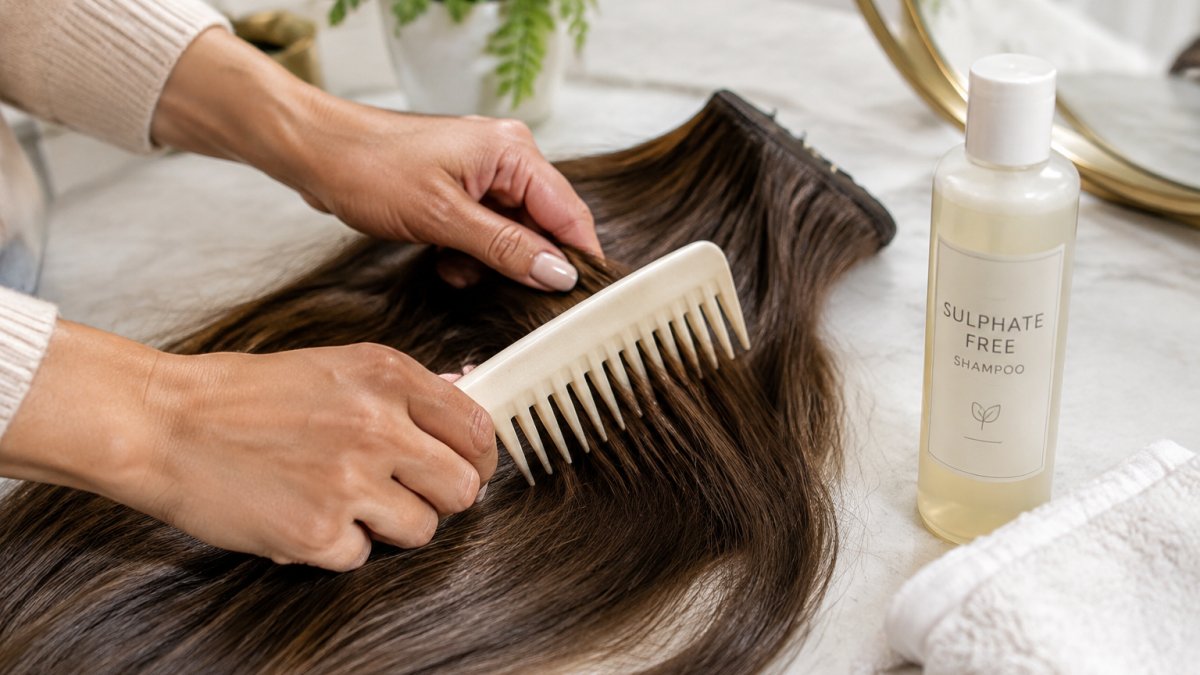
A step-by-step care routine keeps results predictable. Our hair care routine for raw hair extensions sets out the full order of washing, drying and styling.
How Long Can High-Quality Hair Extensions Last?
High-quality hair extensions can last 12 to 24 months with proper care, depending on the method and how often they are worn. Our single-donor, cuticle-intact hair is rated for 12-24 months.
For an honest breakdown of lifespan by method and wear pattern, see our guide on how long hair extensions really last.
| Method | Bond Life | Full Hair Lifespan | Best For |
|---|---|---|---|
| Nano ring | 4-8 weeks between moves | 12-24 months | Fine to medium hair |
| Tape | 6-8 weeks per reapply | 12-24 months | Fast salon fitting |
| Keratin bond | 4-5 months | 12-24 months | Long wear between visits |
Full Hair Lifespan
Measuring Progress and Troubleshooting Inconsistent Results
Inconsistent results rarely have a single cause. They usually trace back to one of four areas: product build-up, heat damage, hard water, or a change in routine. Rather than guessing, define what "consistent" looks like for your hair and review it on a schedule.
Observable Indicators of Consistency
Track these four indicators weekly:
- Breakage: Count broken hairs on your pillowcase or in the shower drain. A sudden increase suggests mechanical damage or dryness.
- Scalp comfort: Note itching, flaking or tightness. Persistent symptoms may warrant a pharmacist or GP visit.
- Manageability: How easily does hair comb through when wet and dry? Increased tangling points to build-up or damage.
- Shine and texture: Does hair look dull on day two or day four? A pattern of dullness after washing can indicate hard water or product residue.
Record these in a simple note on your phone or a notebook. A four-week review is enough to spot patterns without over-analysing day-to-day fluctuations.
A Simple Review Schedule
- Weekly: Note wash days, products used, and how hair feels on day two and day four.
- Fortnightly: Check for split ends and assess whether your current products still suit your scalp.
- Monthly: Review the four indicators above. If nothing has improved, change one variable, for example, swap to a clarifying shampoo or reduce heat tool temperature, and observe for another four weeks.
- Every eight to twelve weeks: Book a trim and reassess your routine with your stylist.
Troubleshooting Common Patterns
- Hair turns dull after washing: Check your water. Hard water leaves mineral deposits that make hair feel rough. A clarifying wash once a month helps. If you live in a hard-water area, a shower filter may reduce build-up.
- Ends split faster than expected: Heat styling is likely too hot or too frequent. Moderate heat and a heat protectant make a visible difference. Trim split ends before they travel up the shaft.
- Hair alternates between greasy and dry: This often signals over-washing or a conditioner that is too heavy for your scalp. Reduce wash frequency or switch to a lighter conditioner and apply it only to ends.
- Increased shedding: Some daily shedding is normal (the NHS). Persistent or sudden shedding, or scalp symptoms such as redness or itching, warrants advice from a pharmacist or GP.
Changing One Variable at a Time
When results are inconsistent, resist the urge to buy a new set of products. Change one thing, your wash frequency, your shampoo, your heat setting, and give it two to four weeks. This makes it possible to attribute any improvement or worsening to a specific cause. Consistency in routine, not constant experimentation, is what stabilises hair quality over time.
Choosing Your First Mono Lace Topper or Extension Set
We are launching our first hair toppers for fine and thinning hair on top. The Mono Lace topper is designed for easy wear and breathable comfort.
For salon professionals, consistency across orders matters as much as the hair itself. Our NANOBOND extensions suit fine to medium hair with a discreet bond, while INVISI TAPE can be applied in under an hour and KERATIN BOND is ideal for 4-5 months between appointments. Use a QOGH Colour Ring to compare shades before ordering.
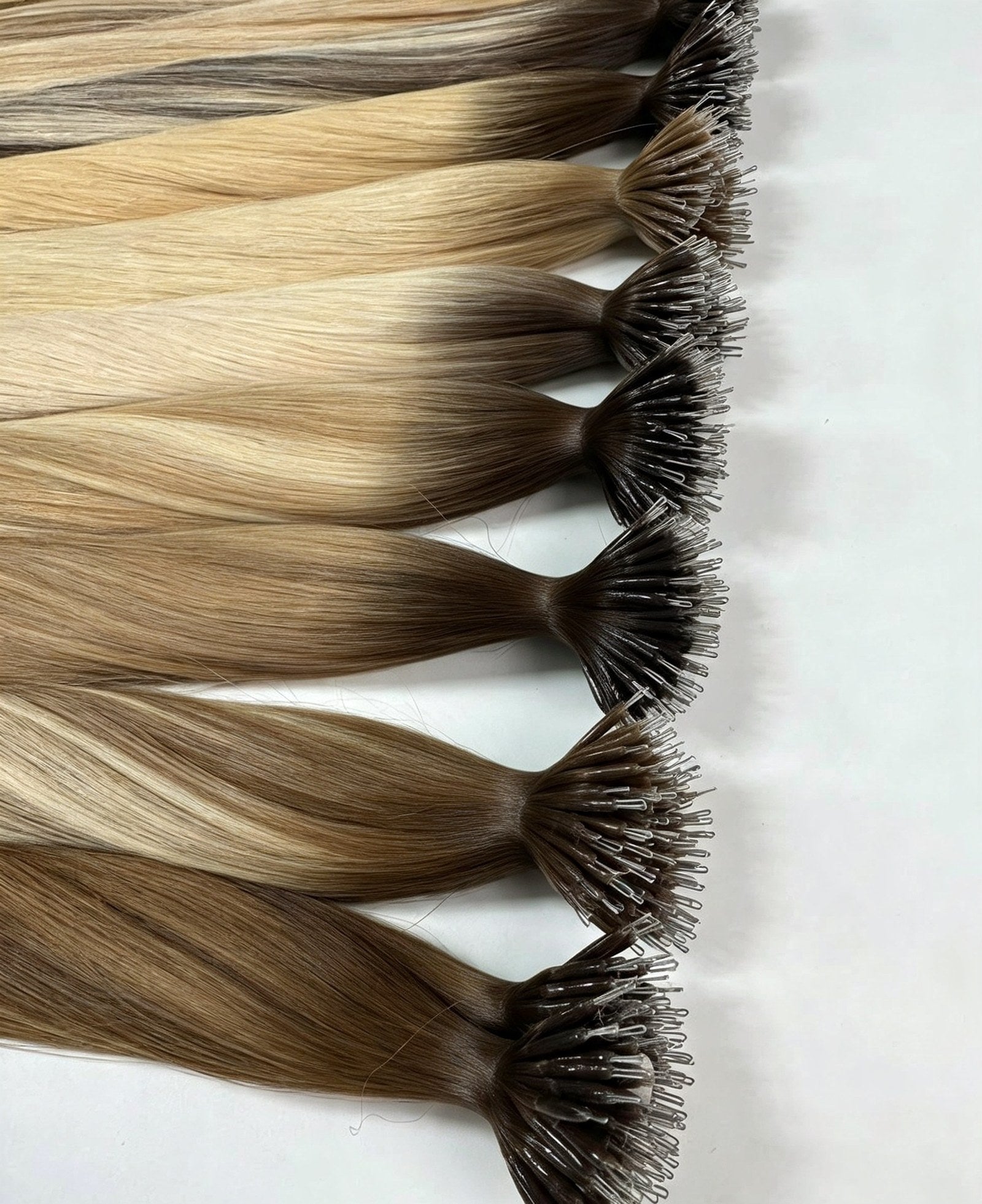
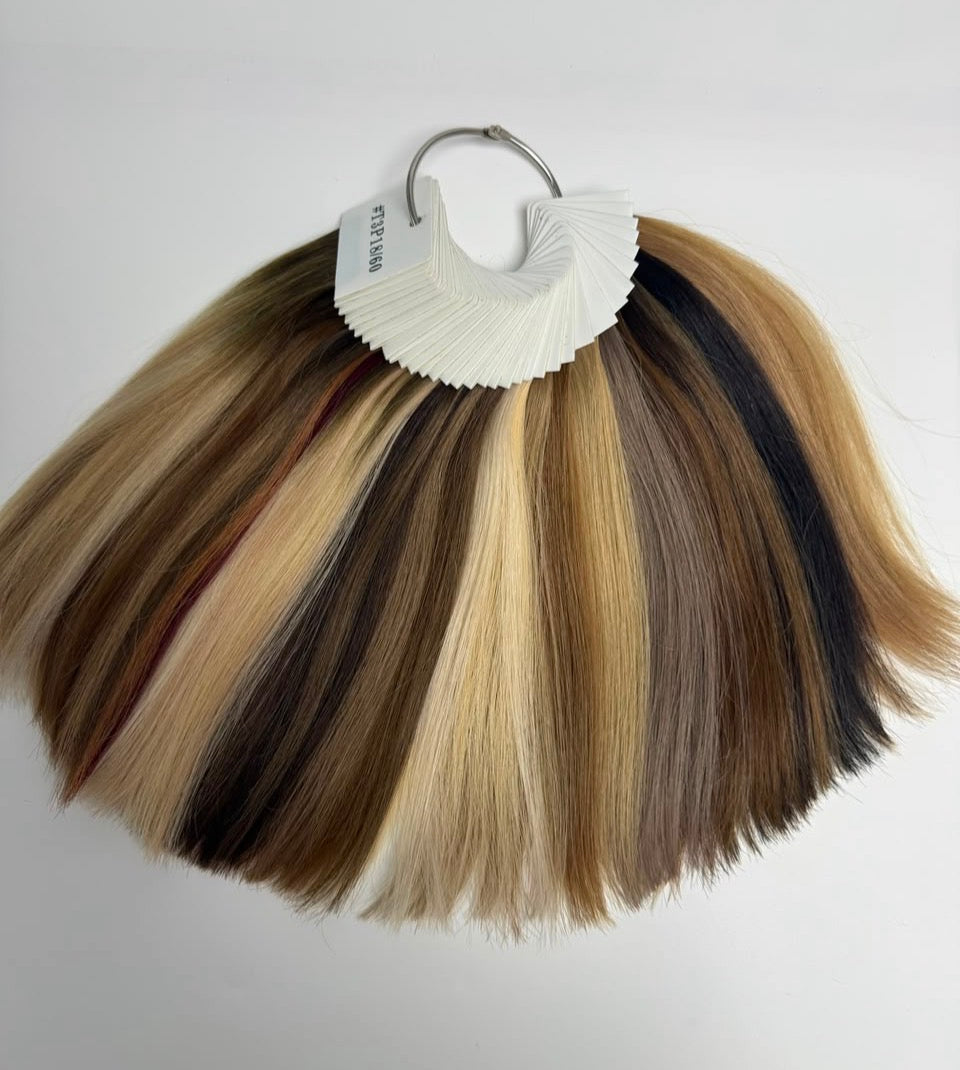
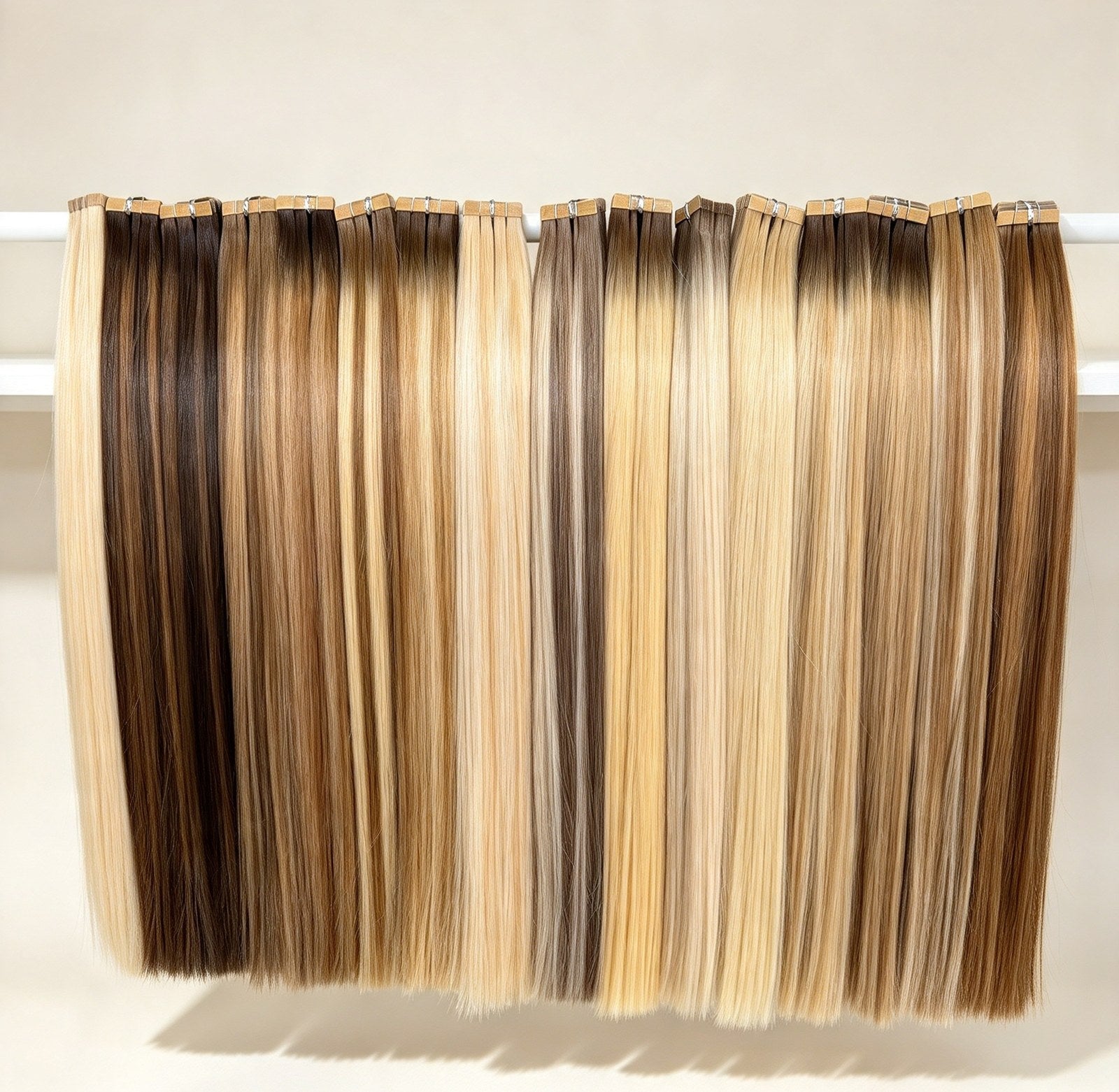
Consistent hair quality comes down to a routine you can repeat and products you can trust. At QUEEN OF GOOD HAIR, every bundle is 100% single-donor virgin hair with a full chain of traceability, ethically sourced and free from silicone coating.
