

Hide Weft Tracks on Thin Hair: A Step-by-Step Guide
Table of Contents
- Why Weft Tracks Show on Thin Hair
- What You'll Need Before You Start
- Step 1: Choose the Right Weft Extensions for Thin Hair
- Step 2: Strategic Placement to Hide the Top Row of Weft Extensions
- Step 3: Use Hairstyles to Hide Hair Extensions
- Determining How Many Wefts for Thin Hair
- Common Mistakes to Avoid
- Maintenance and Longevity
- Frequently Asked Questions
Last Updated: October 12, 2026
Why Weft Tracks Show on Thin Hair
Thin hair makes weft tracks visible. The problem is simple: there's less hair to cover the bonds. When you have fine strands, even small weft placements catch light and show through.
Weft extensions sit close to your scalp. On thick hair, natural strands easily hide them. On thin hair, the tracks become obvious, especially when your hair is pulled back or wet.
The good news? You can hide weft tracks on thin hair with the right approach. Strategic placement, proper extensions, and smart styling all work together.
The difference between visible tracks and invisible ones comes down to three things: choosing the right extension type, placing them correctly, and styling smartly.
What You'll Need Before You Start
Before you apply extensions, gather these essentials:
- Quality weft extensions designed for fine hair (flat wefts work best)
- Sectioning clips to divide your hair into workable sections
- A fine-tooth comb for gentle detangling
- Hair straightener or curling tongs for blending
- Hairspray or texturising spray to add grip
- Bonding glue (if using keratin bonds) or tape tabs (if using tape extensions)
You'll also need good lighting. Natural daylight helps you see exactly where tracks sit on your scalp.

Most importantly, use virgin hair with intact cuticles. Mixed-donor or processed hair tangles easily and won't blend smoothly with fine strands. Single-donor hair like QUEEN OF GOOD HAIR's NANOBOND extensions stays smooth and moves naturally with thin hair.
Step 1: Choose the Right Weft Extensions for Thin Hair
Not all weft extensions suit thin hair. Some sit too thick against your scalp. Others create visible bumps under fine strands.
Flat wefts are your best choice. They sit closer to your scalp than traditional wefts. Less bulk means less chance of showing through thin hair. QUEEN OF GOOD HAIR's Flat Weft extensions are designed exactly for this. They sit closer to the scalp than any other weft method, with no bulk or bumps.
Nano bonds work well too. These are the smallest bonds on the market. They're completely invisible at the root, making them ideal for fine to medium hair. The NANOBOND extensions from QUEEN OF GOOD HAIR use zero glue, zero heat, and zero damage, perfect for hair that's already fragile.

Avoid thick, round wefts on thin hair. They create visible ridges under fine strands, no matter how well you place them.
Weight matters as well. Heavier extensions pull on thin hair. Choose lighter weights, 50g bundles are often enough.
The hair itself should be 100% virgin, single-donor, and cuticle-intact. This ensures the extensions blend smoothly and won't tangle with your finer natural hair.
Step 2: Strategic Placement to Hide the Top Row of Weft Extensions
Placement is everything when hiding weft tracks on thin hair. Poor placement makes tracks visible. Smart placement hides them completely.
Start low on your scalp. Place your first row of weft extensions at least 2-3 inches from your roots. This leaves enough natural hair above the tracks to cover them. Thin hair needs more coverage space than thick hair.
Avoid the crown. Never place wefts directly at the crown or top of your head. This is where hair is thinnest and tracks show most. Place them on the sides and back instead.
Create a staggered pattern. Don't place all wefts in a straight line. Stagger them slightly so they sit at different heights. This breaks up the line and makes tracks less visible.
Leave gaps between wefts. Space them out rather than clustering them together. Gaps let your natural hair fall between the wefts, creating a more seamless blend.
| Placement Area | Best For Thin Hair | Why It Works |
|---|---|---|
| Sides (2-3 inches from roots) | Yes | Natural hair covers easily |
| Back (2-3 inches from roots) | Yes | Less noticeable when down |
| Crown | No | Thinnest area, tracks show |
| Hairline | No | Too visible, causes tension |
For the top row specifically, place it lower than you would on thick hair. Thin hair needs more natural coverage. A good rule is to leave at least 3-4 inches of natural hair above your first weft row.
Step 3: Use Hairstyles to Hide Hair Extensions
Hairstyles are your secret weapon for learning how to hide weft tracks on thin hair. The right style makes tracks completely invisible.
Half-up, half-down styles work brilliantly. Pull the top section of your hair up and back, leaving the bottom half down. This covers the sides and back where wefts sit. The style looks intentional and hides tracks naturally.
Loose waves or curls add volume. Curls and waves create texture that breaks up the line of weft tracks. They also add the appearance of thickness, which helps disguise any visible tracks.
Low ponytails are your friend. A sleek low ponytail at the nape of your neck keeps hair off your face while covering the sides. Make sure the ponytail sits low enough to cover the weft placement.
Braids and twists hide everything. French braids, Dutch braids, and twisted styles all cover weft areas. They're practical and stylish. Braids work especially well if you've got wefts on the sides and back.
Layered cuts blend extensions naturally. Ask your stylist for layers, especially around the face and sides. Layers break up the density difference between your thin natural hair and the extensions. This makes the blend less obvious.
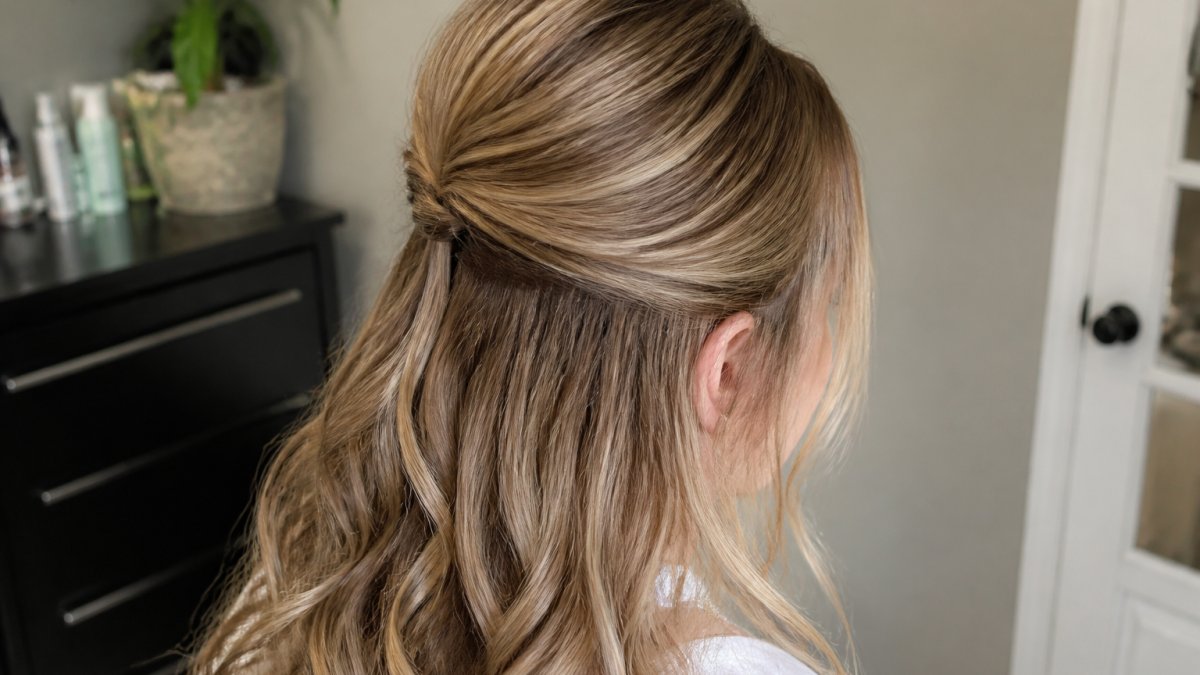
Avoid these styles: Sleek buns, tight ponytails high on the head, and styles that pull hair straight back. These expose weft tracks and create tension on thin hair.
The key is choosing styles that naturally cover your weft placement areas. Your stylist can help you find styles that work with your specific weft locations.
Determining How Many Wefts for Thin Hair
How many wefts do you actually need? This depends on your hair thickness, desired volume, and weft placement.
Start conservatively. With thin hair, less is often more. Too many wefts create bulk that looks unnatural. Start with 3-4 weft rows instead of 5-6.
Consider your coverage area. If you're placing wefts only on the sides and back (not the crown), you need fewer pieces. Wefts placed lower on the scalp naturally cover a larger area.
Think about weight. Thin hair can't support as much weight. Heavier bundles mean more wefts, which means more weight pulling on your scalp. Stick with 50g bundles and fewer rows.
Assess your goals. Do you want subtle volume or dramatic thickness? Subtle volume needs fewer wefts. Dramatic thickness needs more, but watch the weight.
A typical starting point for thin hair is 3-4 weft rows, strategically placed on the sides and back. This gives noticeable volume without looking fake or feeling heavy.
You can always add more wefts later if you want more volume. Start small, then build up.
Common Mistakes to Avoid
Placing wefts too high. This is the biggest mistake. High placement leaves no natural hair to cover tracks. Always place wefts at least 2-3 inches from your roots.
Using thick, heavy wefts. Thick wefts show through thin hair and pull on your scalp. Flat wefts and nano bonds are better choices.
Wearing tight styles constantly. Tight hairstyles expose tracks and create tension. Vary your styling. Wear loose styles most of the time.
Ignoring maintenance. Thin hair needs gentle care. Rough brushing, harsh products, and infrequent washing damage both your natural hair and the extensions.
Skipping professional application. DIY application often results in poor placement. A trained stylist knows how to place wefts strategically on thin hair. It's worth the investment.
Using low-quality hair. Cheap extensions tangle and mat. They don't blend with fine hair. Invest in premium, single-donor virgin hair that will last 12-24 months.
Not spacing wefts properly. Bunched-together wefts create visible lines. Space them out so your natural hair sits between them.
Maintenance and Longevity
Proper care keeps your extensions looking natural and protects your thin hair.
Wash gently. Use cool water and a gentle sulphate-free shampoo. Avoid hot water, which opens the cuticle and causes tangling. Wash only 1-2 times per week.
Condition thoroughly. Apply conditioner to the mid-lengths and ends. Thin hair needs moisture. Dry, brittle extensions show every flaw.
Brush carefully. Use a wide-tooth comb or soft paddle brush. Start at the ends and work upward. Never brush from root to tip on thin hair, it causes breakage.
Avoid heat styling when possible. If you use heat, use a heat protectant spray first. High heat damages both natural and extension hair.
Sleep on silk or satin. Cotton pillowcases create friction and tangling. Silk or satin reduces breakage and keeps your hair smoother.
Schedule maintenance appointments. Wefts need repositioning every 6-8 weeks as your natural hair grows. Regular maintenance keeps tracks hidden and prevents damage.
Expect 12-24 months of wear. Premium single-donor virgin hair from QUEEN OF GOOD HAIR lasts this long with proper care. Budget for maintenance and eventual replacement.
With the right care, your extensions will blend seamlessly with thin hair and last through multiple seasons.
Hiding weft tracks on thin hair is absolutely possible. The challenge many people face is that thin hair leaves less room for error. But with strategic placement, the right extension type, and smart styling, you can achieve a seamless, natural look that lasts.
Start with premium weft extensions designed for fine hair. Place them low on your scalp, away from your crown. Use hairstyles that naturally cover your weft areas. And commit to gentle maintenance that protects both your natural hair and your extensions.
QUEEN OF GOOD HAIR's Flat Weft and NANOBOND extensions are specifically engineered for thin hair. They sit closer to the scalp with less bulk, and our single-donor virgin hair blends smoothly with fine strands. Shop All to find the right extensions for your hair type and get started with a seamless transformation.
Frequently Asked Questions
How do you hide weft tracks on thin hair?
The key is strategic placement and styling. Position wefts below the crown area where your natural hair is thicker, use flatter weft methods like flat weft extensions that sit closer to the scalp, and style your hair to cover the tracks. Layered cuts and half-up styles work well. Quality matters too, single-donor virgin hair blends better and weighs less, so tracks stay hidden longer without slipping.
How many wefts for thin hair should I use?
For thin hair, fewer, lighter wefts work better than many heavy ones. Most people with fine hair do well with 3-5 wefts rather than 6-8. Overloading thin hair with extensions causes visible bumps and stress on the scalp. Start conservatively and add more only if needed. The weight of the extensions matters as much as the number, single-donor virgin hair is lighter and less taxing on delicate strands.
What hairstyles help conceal visible extension tracks?
Layered cuts, textured waves, and half-up styles are your best options. Avoid sleek, straight styles that expose the scalp. Tousled waves and loose curls add volume and disguise weft lines naturally. Wearing your hair down with soft layers is the easiest everyday solution. For special occasions, high buns or ponytails work if wefts are placed low enough. Experimenting with your stylist helps find what works best for your hair type.
Where should weft extensions be placed on fine hair?
Place wefts below the crown and away from the hairline. For thin hair, positioning them lower (around the nape and mid-scalp area) keeps them hidden under thicker natural hair. Avoid placing wefts too high or too close to the parting, as they'll show through fine strands. Work with a stylist experienced in thin hair to map placement correctly. Flat weft extensions sit closer to the scalp than traditional methods, making them ideal for this hair type.